Written by Kayla Smith. Editing by Alisha Ostberg.
Table of Contents
INTRODUCTION
July is Disability Pride Month!
Now, more than ever, we need to talk about disability. We need to be listening to disabled people. In 2025, there are still a lot of policy decisions being made FOR disabled people, without them in the room, without their voices even being considered. In a time when eugenics is on the rise and eugenic policies are being platformed and propped up, disability pride is critical.
I was introduced to the concept of Disability Justice when I read Care Work: Dreaming Disability Justice, by Leah Lakshmi Piepzna-Samarasinha, in 2020. This is really where my unlearning and learning journey started. Disability Justice is entwined with the values of Liberatory Harm Reduction (curious about Liberatory Harm Reduction? See note for more information). Both focus on the knowledge of people with living experience, community as care, and the fact that people deserve access to care, dignity, and respect. To honour Disability Pride Month, I wanted to share some of the 10 Principles of Disability Justice by Sins Invalid.
INTERSECTIONALITY
“We do not live single-issue lives.”
Audre Lorde
Ableism, coupled with white supremacy, supported by capitalism, underscored by heteropatriarchy, has rendered the vast majority of the world “invalid.”
The quote by Audre Lorde above highlights that it is not simply ableism that harms disabled people. Disability Justice emerged from the leadership of Black, Indigenous, racialized, queer and Trans disabled people in response to the limitations of the predominantly white disability rights movement. While that movement focused primarily on legal rights for disabled people, it often reflected white supremacy and lacked an intersectional approach.
There was no space to highlight the ways Black, Indigenous, racialized, queer, and Trans disabled people experience ableism differently because of their other identities as racialized and/or queer. Ableism cannot be separated from white supremacy, capitalism, and heteropatriarchy. Intersectionality is critical to understanding and dismantling ableism.
LEADERSHIP OF THOSE MOST IMPACTED
“We are led by those who most know these systems.”
Aurora Levins Morale/s
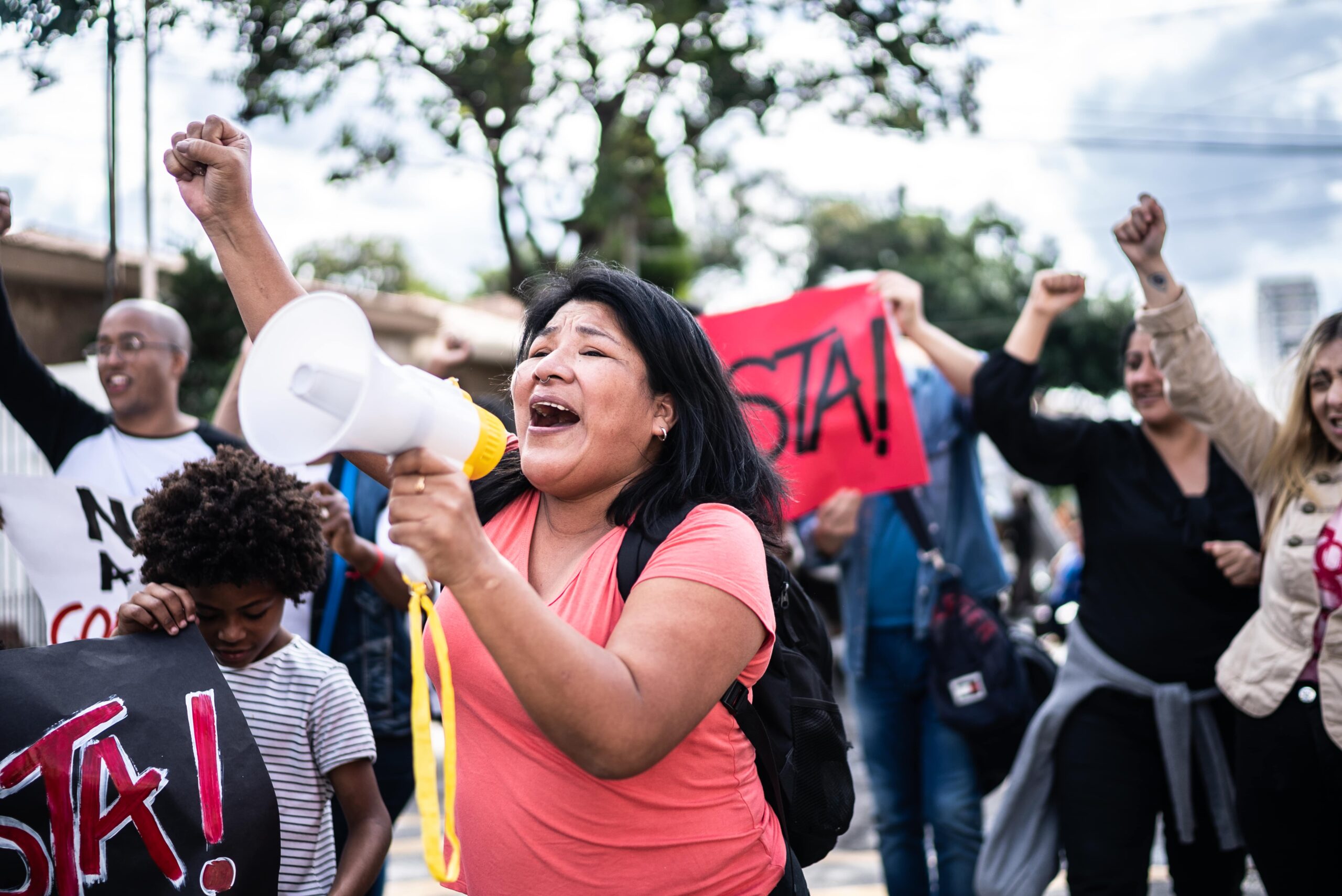
“Nothing about us, without us” became popularized by the disability rights movement in the 90’s. We also hear this phrase in the sex worker rights and substance user rights movements. People are experts on their bodies and lives. Disabled people are no exception; they should be the ones shaping policy and programs. Those most impacted by policy should be the ones in leadership positions. Often, service users and people affected by policy know the gaps; they know what is working, what isn’t, their needs, and what supports would meet them. Making policy and programs for disabled people without them leading the process is paternalistic and harmful.
It is also important to note that, like any group, disabled people are not a monolith. Disability is a word that covers so many different experiences. There are visible and invisible disabilities. And people who may have the same disability can have vastly different experiences of their disability.
RECOGNIZING WHOLENESS
People have inherent worth outside of commodity relations and capitalist notions of productivity. Each person is full of history and life experience.
Every person has value. Our value as people should not be tied to our labour or our ability to work. At SafeLink, we believe in treating people with humanity. The focus of our work is to reduce health disparities, which are often the result of systemic oppression.
COLLECTIVE LIBERATION
No body or mind can be left behind – only moving together can we accomplish the revolution together.
We must work together and be led by disabled people to achieve liberation for everyone. We are all connected, our liberation is tied together. The Drug Users Rights movement, the Sex Worker Rights movement, anti-racism and decolonizing work, the fight against homophobia and transphobia, are all tied together.
Disabled people are leaders in creating community and creating access. Community can exist from sick beds, on the internet, in libraries, parks, and at kitchen tables. Disability is possibility. Disability is the ability to see beyond society’s current structure, imagine new ways, and build new worlds. Ableism has constrained our world in ways it was never meant to be, confining it in ways that deny possibility.
If you take anything away this Disability Pride Month, let it be this: Disability rights and access impact everyone. For most people, becoming disabled is not a question of if, but when. You don’t have to know someone who is disabled or experience the same harm or injustices they do to care about them. The beauty of being human is that you can care about people.
Read the rest of the 10 Principles of Disability Justice and learn more about Sins Invalid.
ACKNOWLEDGEMENTS
This blog was written with knowledge from:
- Care Work: Dreaming Disability Justice by Leah Lakshmi Piepzna-Samarasinha
- Saving Our Own Lives: A Liberatory Practice of Harm Reduction by Shira Hassan
- The 10 Principles of Disability Justice by Sins Invalid