This blog was written by Kayla Smith, Systems Navigator, Medicine Hat Support Services, and edited by Alisha Ostberg.
Table of Contents
People Experiencing Homelessness in Your Neighbourhood are Your Neighbours
I have noticed a theme in how people talk about community, and in particular, community safety and needs. People experiencing homelessness are either treated as the root cause of social problems or left out of the conversation altogether. October 10th is World Homeless Day, and I want to put it out there that homelessness is a community issue.
Rumours about Homelessness In Medicine Hat
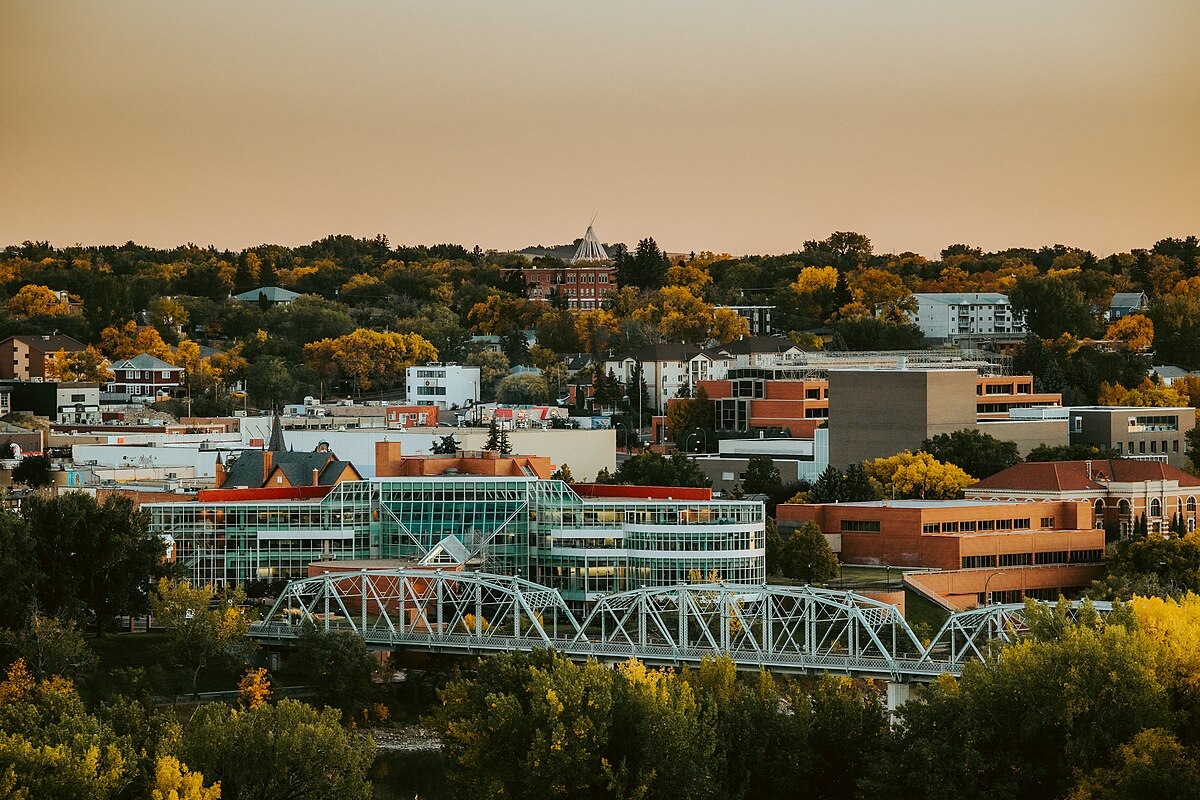
I have worked in Medicine Hat in housing, mental health, and substance use since spring 2019. And I will tell you about a particular recurring rumour that floats around the community regularly, which I have heard every year since I started working in the community. There are stories of buses that come to Medicine Hat from around the province to drop people off. Now, why am I repeating this rumour here? I really believe that this rumour contributes to how people see people who are homeless in Medicine Hat. It feeds into this idea that people do not belong here.
But to bust this bubble, there are no buses. Many of the people that I have met who have been homeless have either lived in Medicine Hat their whole lives or have lived here for a long time. Anytime I have asked someone what has brought them to Medicine Hat, they reply, “my brother offered me a place to stay”, or “I moved here with my girlfriend and then we broke up,”. They never say they were rounded up on a bus and brought here.
There are not homeless people in Medicine Hat, there are homeless Medicine Hatters. I want to stress that this is our community; everyone in it matters and deserves dignity and human rights. Housing is a human right. Housing is harm reduction; it is crime prevention. A safe and stable home is where you can build your life. Everyone deserves that.
The Shinking of Resources
In Medicine Hat, we have one adult overnight shelter that can accommodate approximately 30-35 people. We also have the Women’s Shelter, which supports people leaving domestic violence situations. The youth shelter in Medicine Hat closed its doors on September 19th this year, leaving no place for homeless and vulnerable youth. The closest youth shelter is in Lethbridge, which is about a two-hour drive from Medicine Hat.
The only place for a free shower is at the shelter; you need to stay there to use it. In March of this year, the Mustard Seed was forced to close its day shelter, which provided over 100 meals a day, laundry services, an ID program, a clothing program, and more. Currently, our drop-in space at SafeLink Alberta is the only regularly operating daytime drop-in space for adults in the city.
Winter will be here soon. People experiencing homelessness have a shrinking list of places and resources to access. Lack of places to warm up and get out of the elements will have direct negative impacts on people who are unhoused. There will be more people who get severe frostbite and hypothermia, and there is the possibility that people may be left outside to freeze to death. This is unacceptable. No one should freeze to death, not in our community, and not in any community.
CBC: Alberta city that once claimed to end homelessness faces winter without daytime shelter
Homelessness Can Happen to Anyone
Homelessness is not a moral failing. Since the pandemic, everyone has experienced cost-of-living increases, no matter where they live. Rent, insurance, utilities, groceries, and other bills have all gone up. Food banks are seeing more dual-income families becoming food insecure and needing to access their resources. Many people are one or two paychecks away from being homeless, or do not have savings to cover unexpected medical, house, or car expenses.
No one grows up dreaming of being homeless. And no one deserves to feel so isolated, stigmatized, and dehumanized by the community they are living in.
It can feel really disheartening to feel powerless amid systems that keep churning, policies that don’t see people as people, and funding cuts to essential services. But, and at the risk of sounding cliché and maybe naïve, you are not powerless. The greatest asset we have as a community is how we can come together and show up for each other. Mutual aid is powerful, and it can look like a lot of different things!
What Can You Do About Homelessness?
There is something that you can do, big or small.
- Write your local representatives: You can write letters to your local representatives (municipal, provincial, federal) calling for action such as rent caps, funding for low-barrier housing programs and projects, increased shelter beds and services, and Housing First programs and services.
- Support local agencies: You can support local agencies such as nonprofits, grassroots groups, and mutual aid groups in your community by volunteering your time, donating money, or providing resources such as hygiene, clothing, and food.
- Share your skills: Run workshops or partner with other organizations to use your skills to help people. Volunteer at free tax clinics, offer haircuts, teach skills such as hand sewing, basic first aid, or survival skills. Or maybe you make a delicious cup of coffee and are a great listener.
- Leave encampments alone: See a tent or an encampment? Leave it alone! Tearing down an encampment and throwing away a person’s only belongings does not help them to get housed. Often, folks are in an encampment as a last choice, and tearing down encampments only forces people to have to go further away from services and community, which puts them at risk.
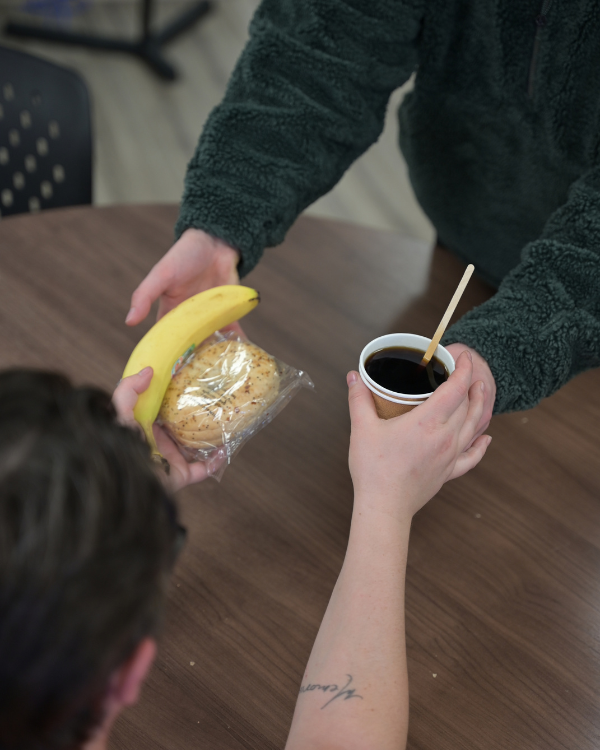
- Hand out resources: If you know of spaces where people experiencing homelessness hang out, bring bottles of water, snacks, sandwiches, socks, etc., and hand them out.
- Talk to your neighbours: Talk to people the way you want people to talk to you. Be curious about people, their stories, and experiences. It is easy to judge when you have not been through what someone else has. When you walk by someone, smile, say hi, and wave.
Caring Can Bring About Real Change
I understand that we cannot change the system overnight. You may think the things above do not change the system or get someone housed. But you can start by showing the people experiencing homelessness in your community that you see them and value them as they are.
You need to challenge people when you see or hear them harass or demean homeless people. You never know how your life will go; it could be you on the streets one day. But we shouldn’t have to put ourselves in someone’s shoes to see that this is wrong. Housing is a human right. People deserve dignity and housing without having to be sober or meet certain expectations.
Show unhoused people you care about them. Show your community you care about homeless people. Refuse to harden your heart to distance yourself from the reality that you are far closer to experiencing homelessness than you would like to think about.
Unhoused people in your neighbourhood are your neighbours. What kind of community will you be a part of building when you get the chance?
About SafeLink Alberta Medicine Hat
SafeLink Alberta’s Medicine Hat office offers low-barrier, judgment-free support for people who use substances and others facing barriers to care. Services include drop-in access to safer substance use and safer sex supplies, naloxone, food, hygiene items, and advocacy; peer support; and systems navigation for emotional, practical, and treatment-related needs. Our outreach team provides harm reduction supplies and cleanup throughout the downtown core, while the Well Program supports pregnant individuals facing challenges related to substance use, housing, or violence. Services are available in English and French, with translation support for Indigenous, African, Caribbean, and Black communities.