
This blog was written by Meghan, Well Case Manager. It was edited by Alisha Ostberg.
Table of Contents
Why World Contraception Day Matters
How familiar are you with contraception? September 26th is World Contraception Day. The day’s mission is to raise awareness about the various types of birth control that are available to help people make informed choices about their sexual health. Did you know that the Well program offers education and support around accessing birth control?
The Well Program: Support for Your Choices
The Well program is a pregnancy and reproductive health support program that can provide education on the different types of birth control so that you can make an informed choice about what will work best for you. Birth control is an important part of sexual health and is also crucial for anyone who does not want to become pregnant.
Birth Control Options
Birth control is available in three different categories: hormonal, non-hormonal and natural.
Hormonal Birth Control
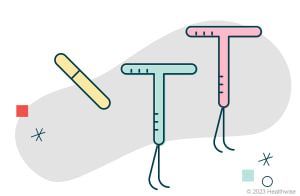
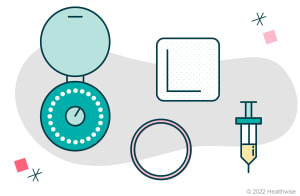
Hormonal birth control includes things like the hormonal IUD, the pill, the implant and the shot. Hormonal birth control contains either progestin or a combination of estrogen and progestin. They work by stopping the ovaries from releasing an egg and making it hard for an egg to implant in the uterus.
Hormonal birth control is very effective at preventing pregnancy; however, there are pros and cons. Hormonal birth control can have some side effects that might be undesirable, like weight gain with the shot or painful insertion (the IUD & the implant). It’s important to be aware of all of the advantages and disadvantages to make the best choice for your body.
Non-Hormonal Birth Control
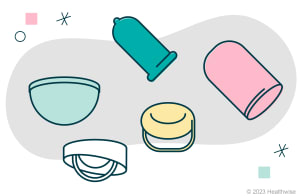
Non-hormonal birth control includes condoms, the copper IUD and diaphragms. These all work to prevent pregnancy in different ways. Condoms act as a barrier to prevent sperm from entering the uterus. The copper IUD makes the uterus a hostile environment, which prevents pregnancy. Diaphragms and cervical caps prevent sperm from entering the uterus, and they are used with spermicide, which kills sperm on contact. Many women don’t want to or can’t use hormonal birth control so non-hormonal might be a better fit for them.
Natural Methods of Birth Control
The last way to prevent pregnancy is natural methods. There are many reasons why people would choose to use a natural method of birth control. They might not like the side effects of hormonal contraception, they might not have access to other forms of contraception, or it might be the heat of the moment, and they didn’t plan for contraception. Natural forms of birth control include things like tracking your menstrual cycle to avoid sex when you’re ovulating, and the pull-out method, where the penis is pulled out of the vagina before ejaculation. While natural methods are 75-78% effective, they are the least effective method of preventing pregnancy.
Contact the Well Program
If you want to learn more about birth control or talk about options that might be right for you, contact the Well program! You can call or text 403-866-4771 or email [email protected].